

“They’ve been buying from us for 10 years.”
That history matters. But it doesn’t tell you whether they’re happy with your service today.
As a business owner, these are four areas worth checking.
1. Buying from you has become hard work ⏳
- Customers chase your team for prices, delivery dates and updates.
- Repeat orders still require them to explain the same details.
- A simple question gets passed between sales, accounts and dispatch.
Ask yourself: How much effort does a customer need to make just to place an order with us?

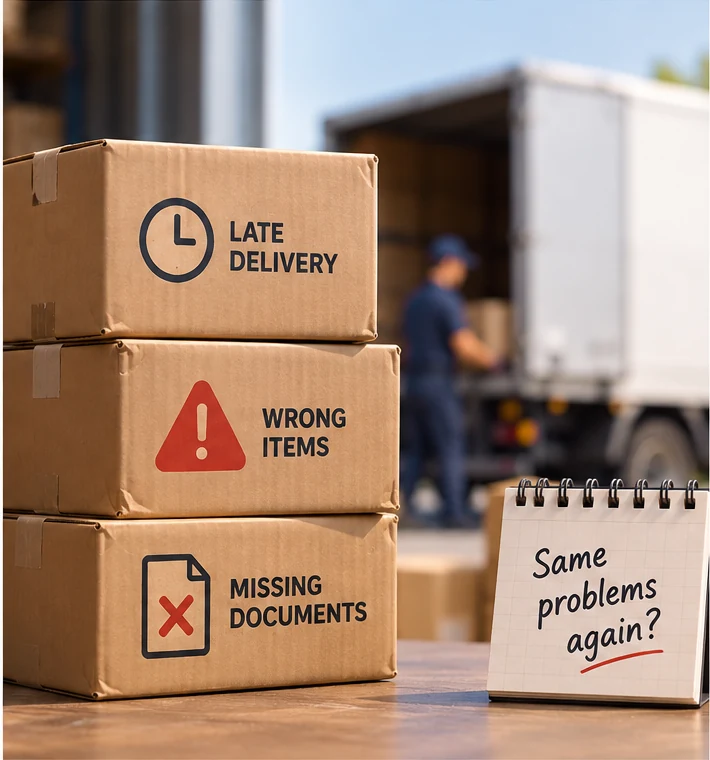
2. Small problems keep coming back 📦
- Late deliveries become routine.
- Wrong items or missing documents create extra work.
- Your team apologises, but the same issue happens again.
A customer may accept one mistake. Repeated mistakes give them a reason to test another supplier.
Ask yourself: Which customer complaint have we heard more than once without fixing the cause?
3. Their business has changed, but your offer hasn’t 🔄
- They need larger quantities, different products or more delivery locations.
- Your pricing and terms haven’t been reviewed as their purchases grow.
- A new purchasing manager starts comparing suppliers.
- They want a backup supplier to reduce dependence on one company.
Ask yourself: When did we last discuss what this customer needs next?
4. You assumed repeat orders meant loyalty 🤝
- Your team contacts them mainly for orders or payments.
- Smaller or less frequent purchases go unnoticed.
- Nobody asks what could be improved.
- Another supplier gives them attention you stopped giving.
Ask yourself: If this customer moved half their orders elsewhere, how quickly would we notice?
Start with your 10 biggest repeat customers and work through this checklist:
- ☐ Compare recent orders: Has their order value or frequency dropped over the last three months? Check for seasonal changes.
- ☐ Look for missing products: Have they stopped buying items they used to order regularly?
- ☐ Check unresolved issues: Are complaints, replacements or credits still waiting for action?
- ☐ Review your promises: Did recent deliveries arrive when you said they would?
- ☐ Check the relationship: When did someone last speak to them about their business, beyond taking an order or chasing payment?
- ☐ Assign the next step: Give each concern an owner and a date to follow up.
Don’t wait for a cancellation email. Pick up the phone and ask: “What could we make easier for your team?”