

A large catalogue gives customers more choice, but it also creates work for the sales team.
When a company manages 10,000, 30,000 or more SKUs, finding the right product is rarely as simple as searching for a product name. Similar specifications, old product codes and incomplete enquiries can slow down every quote.
1. Build one reliable product catalogue 📦
Product information is often spread across an ERP, spreadsheets, PDFs and the knowledge of experienced employees.
Bring the important details into one searchable catalogue:
- Product name and SKU code
- Technical specifications
- Current and previous product codes
- Units and available sizes
- Approved alternatives
- Discontinued and replacement products
- Current prices and customer-specific rates
- Stock availability
The catalogue should also recognise different names for the same product. A customer may describe an item differently from your internal product description.
2. Make product search faster 🔍
Suppose one salesperson handles 20 RFQs a day and spends an average of 10 minutes searching for the correct SKUs.
| Calculation | Time |
|---|---|
| 20 RFQs × 10 minutes | 200 minutes |
| Daily time spent searching | 3 hours 20 minutes |
| Monthly time over 22 working days | 73+ hours |
That is almost half a working month spent only on product research. ⏱️
A better search process should:
- Understand customer descriptions and common spelling mistakes
- Match old product codes with current SKUs
- Compare specifications, sizes and units
- Suggest suitable alternatives
- Flag unclear requests for review
Saving only five minutes per enquiry can return more than 36 hours per month to one salesperson.
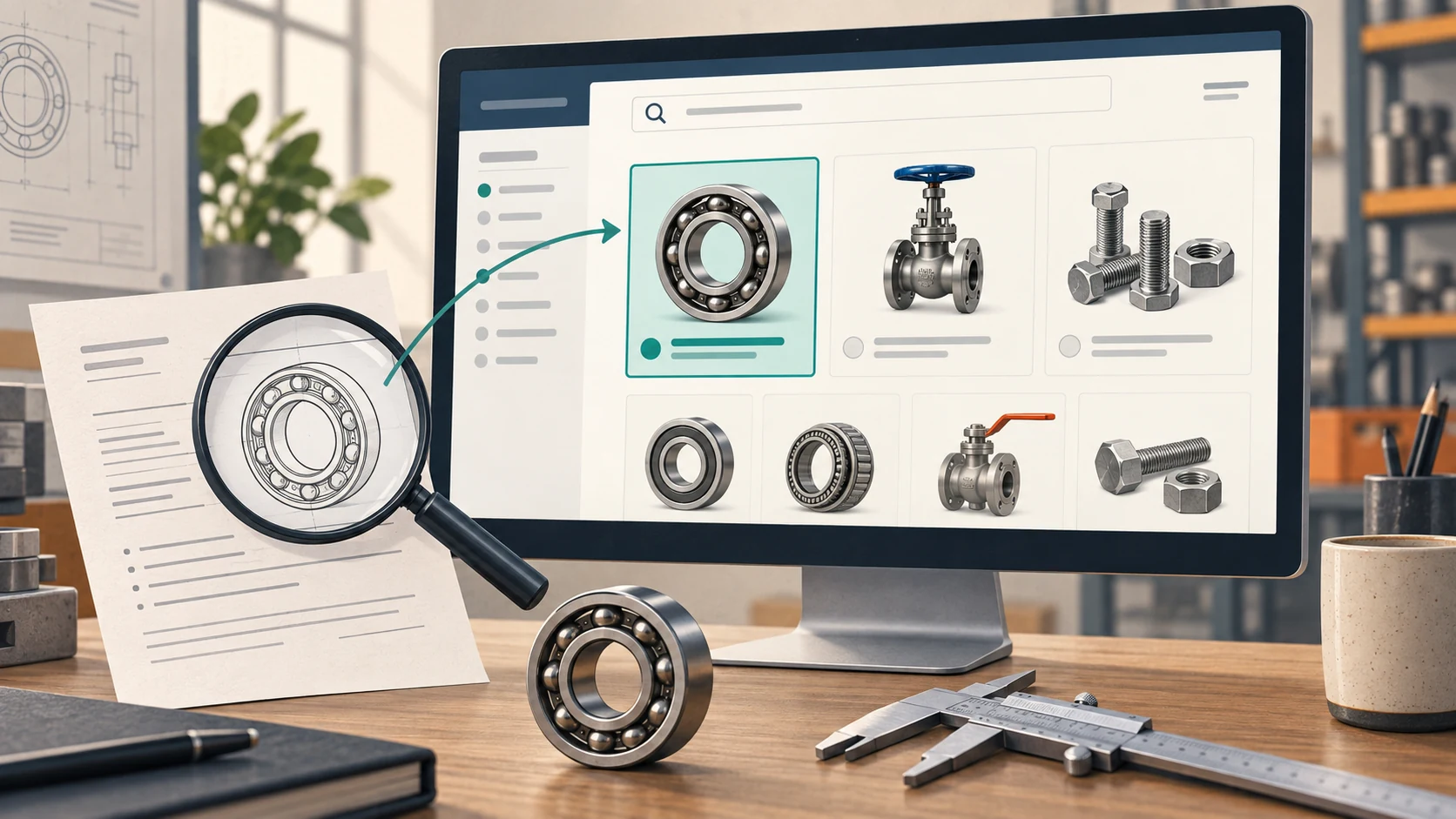
3. Use past enquiries and orders 🧾
Sales teams often answer the same questions repeatedly.
A customer may write, “Send the same model as last time,” or use a familiar description that only an experienced salesperson understands.
Past sales information can help the team:
- Find products previously purchased by that customer
- Reuse approved product substitutions
- Check earlier prices and quantities
- Understand customer-specific product names
- Avoid researching the same request again
This also reduces dependence on individual employees. New team members can work with the knowledge built through previous enquiries and orders.

4. Automate routine product matching ⚙️
Routine enquiries should not require the same manual effort as complex ones.
Product matching can be automated when the request contains enough information and meets your approved rules. AI can help understand different descriptions, abbreviations and spelling mistakes.
Your sales team can then focus on:
- Unclear or incomplete requirements
- Custom products and technical questions
- Special pricing and large orders
- Following up on open quotations
- Building stronger customer relationships
Managing thousands of SKUs should not mean hiring more people just to search the catalogue. Organised product data, past sales knowledge and sensible automation can help the same team respond faster and handle more enquiries.